
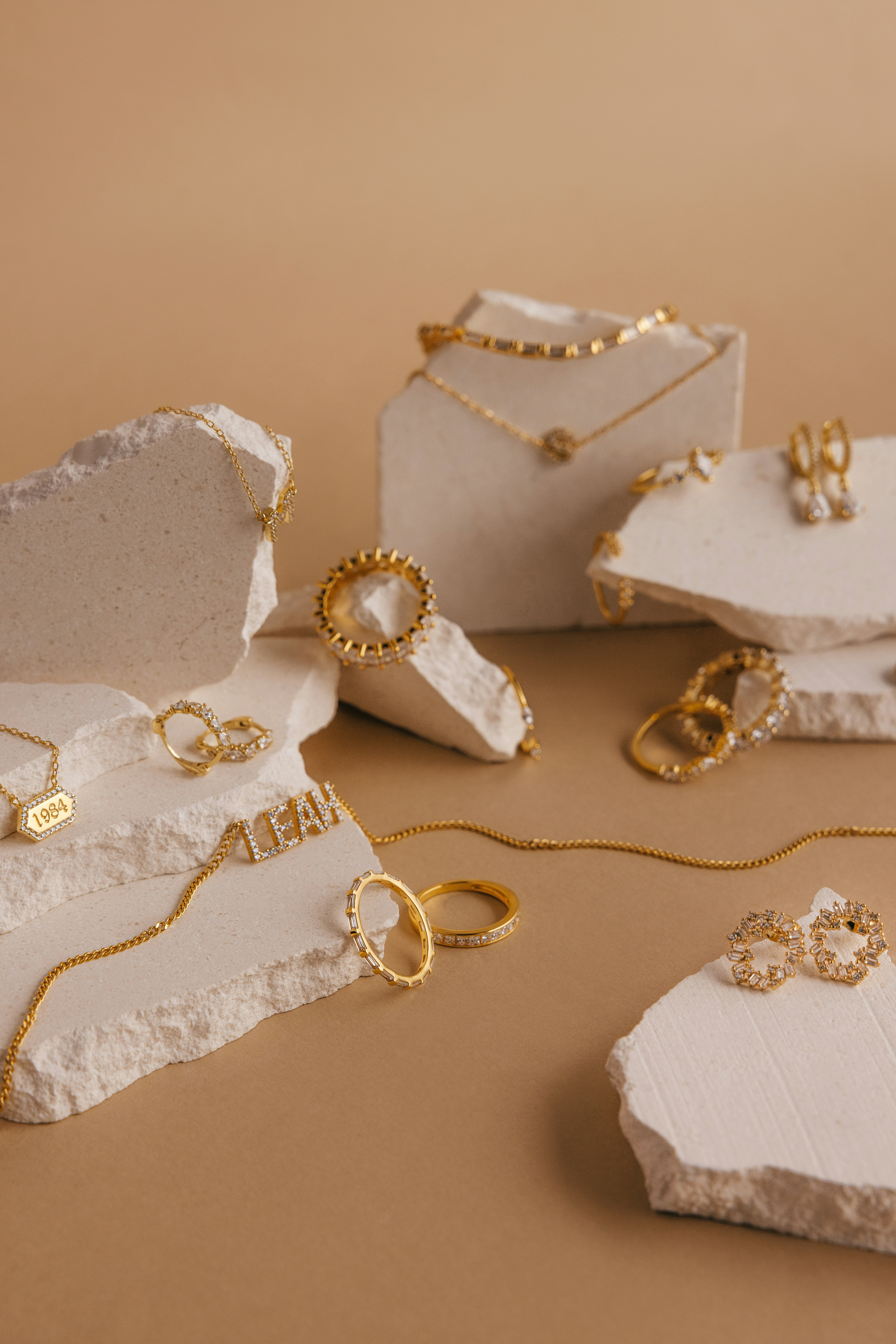
Introduction to Jewellery
Jewellery is a form of adornment that dates back thousands of years, serving various purposes across different cultures and societies. Initially crafted from natural elements such as stones, shells, and bones, jewellery was primarily used for decorative purposes. However, as civilizations evolved, so did the significance of jewellery, transforming into a multifaceted representation of identity, status, and artistry.
Throughout history, jewellery has been more than mere decoration; it reflects the values and beliefs of the time. In ancient Egypt, for instance, jewellery was not only a symbol of wealth but also held spiritual significance, often adorned with symbols deemed to provide protection in the afterlife. Similarly, in various Indigenous cultures, specific pieces may denote tribal affiliation or social rank, highlighting their role as tools for storytelling and cultural preservation.
The evolution of jewellery continued through the ages, adapting to the artistic movements and technological advancements of each era. During the Renaissance, intricate designs and gemstones became increasingly popular, showcasing the rise of skilled craftsmanship and individual expression. In contrast, the 20th century witnessed a shift towards modernism, where jewellery began prioritizing abstract forms and innovative materials, signifying a departure from traditional norms.
Today, jewellery remains a vital component of personal expression and social identity. The myriad styles and materials available allow individuals to convey their personalities and cultural backgrounds. From statement pieces that capture the eye to subtle designs that whisper sophistication, jewellery connects the past and present, serving as an enduring testament to human creativity. As we explore the multifaceted world of jewellery, its role as a timeless expression of beauty and craftsmanship becomes undeniably clear.
The Different Types of Jewellery
Jewellery serves as a diverse form of adornment, elevating personal expression and enhancing beauty. The various types of jewellery encompass unique styles and functionalities, making them suitable for different occasions and personal preferences.
Necklaces are perhaps one of the most popular types of jewellery, varying significantly in design, length, and materials. They can range from simple chains with a pendant to elaborate multi-stranded pieces adorned with gemstones. Necklaces can be worn to complement both casual and formal outfits, making them versatile accessories. Common styles include chokers, statement necklaces, and pendants, catering to a wide array of tastes.
Bracelets, another prominent category, come in a multitude of forms including bangles, cuffs, and beaded designs. They are frequently used to showcase personal style and can be stacked for a more bohemian look or worn individually for a more refined appearance. Just like necklaces, bracelets can be dressed up or down, making them suitable for day-to-day wear or special occasions.
Earrings, which can be stud, hoop, or drop styles, play a crucial role in framing the face and adding a distinct charm to one’s overall look. The selection of earrings often reflects personal beliefs or cultural significance, as they can range from minimalist to extravagant designs. Whether attending an informal gathering or a formal event, there are earrings appropriate for every setting.
Rings signify commitment or personal style, with designs that can range from simple bands to elaborate cocktail rings. They carry emotional weight and often mark important life events, making them meaningful items in one’s jewellery box. Brooches, while less common in contemporary fashion, serve as decorative pins that can attach to clothing or accessories. They can convey sentiments or serve as fashion statements, often becoming conversation starters.
Each type of jewellery embodies its unique craftsmanship and design, contributing to its role in expressing personality and style.
Materials Used in Jewellery Making
Jewellery making is an intricate art that revolves around diverse materials, each holding distinct properties and aesthetic appeal. Traditional materials like gold and silver have long been favored in the jewellery industry, cherished not only for their beauty but also for their durability. Gold, for instance, is a highly malleable metal that can be alloyed with other metals to enhance its strength. Available in various karats, it offers a spectrum of hues from warm yellow to understated white, catering to diverse consumer preferences.
Silver, particularly sterling silver, is an alloy consisting of 92.5% pure silver, known for its bright luster and affordability compared to gold. While it can tarnish over time, proper care and regular polishing can maintain its shine, making it a popular choice for both everyday wear and intricate designs.
In addition to these classic metals, gemstones play an essential role in jewellery design. Precious stones such as diamonds, rubies, and sapphires are esteemed for their rarity and brilliance, often used to denote status and luxury. On the other hand, semi-precious stones like amethyst and turquoise offer rich colors and unique patterns, easily appealing to a broader audience.
Contemporary jewellery design has expanded to incorporate alternative materials like resin and acrylic. These materials allow for creative expression through vibrant colors and intricate shapes, often seen in unique, artistic pieces. They are lightweight and can mimic the appearance of more traditional materials while providing a more affordable option.
Amidst the various choices available, there is a growing emphasis on sustainable practices in sourcing materials. Artisans are increasingly seeking ethically sourced metals and conflict-free gemstones to align their creations with responsible consumer values, ensuring that the artistry of jewellery making is in harmony with environmental and social considerations.
The Craftsmanship Behind Jewellery Design
The creation of exquisite jewellery is an intricate process that blends artistry with unparalleled craftsmanship. Jewellery making involves several stages, beginning with conceptual design. At this stage, designers sketch ideas, considering aspects such as style, materials, and aesthetic appeal. This phase allows for extensive creativity as designers envision pieces that resonate with beauty and personal expression.
Once the design is finalized, the fabrication process begins. This stage employs traditional techniques, including metalworking, stone setting, and enameling. Craftsmen often use tools like hammers and anvils to shape metals into desired forms. Additionally, the setting of gemstones requires precision and skill to ensure that each stone is secure and aesthetically aligned with the overall design. Craftsmanship in this phase is vital, as it directly impacts the quality and durability of the final product.
In recent years, technological advancements have profoundly influenced jewellery making. One notable innovation is 3D printing, which allows designers to create complex patterns and shapes that were previously challenging to achieve using conventional methods. This technology streamlines the production process, enabling quicker prototyping and reducing material waste. It empowers designers to experiment with unique structures and forms that enhance the overall artistic expression of the piece.
Moreover, the finishing techniques are crucial to achieving the ultimate polish and luster. Techniques such as polishing, plating, and coating elevate the piece to its final state. Each method requires a specific level of skill and attention to detail, ensuring that the jewellery not only looks stunning but also meets high-quality standards.
In conclusion, the craft of jewellery design is a harmonious blend of traditional skills and modern technology. It celebrates the creativity and craftsmanship that go into creating pieces that are not only decorative but also deeply meaningful to those who wear them.
Jewellery Trends: Past, Present, and Future
The world of jewellery is continually evolving, shaped by cultural shifts, technological advancements, and fashion revolutions. Understanding these trends requires a look into the past, the current landscape, and potential future directions. In recent years, we have witnessed a resurgence of vintage styles, with many consumers seeking designs inspired by the Art Deco and Victorian eras. These historical influences are often manifested in intricate metalwork, elaborate gemstones, and distinctive motifs that reflect a bygone elegance.
Presently, the jewellery industry is characterized by several notable trends that cater to diverse consumer preferences. Minimalism has gained significant traction, as many individuals opt for sleek and understated designs that offer versatility for everyday wear. Architectural styles also feature prominently, with geometric patterns and unique shapes capturing the attention of modern consumers. Furthermore, sustainability has become a critical factor in the jewellery market, prompting designers to source ethical materials and create eco-friendly pieces.
Pop culture and fashion continue to play an influential role in shaping jewellery trends. Celebrity endorsements and red carpet events often set the stage for trends, leading to the popularity of statement pieces and bold designs. Social media platforms, particularly Instagram and TikTok, have also become vital in promoting new styles and enabling influencers to shape consumer preferences. This digital shift has seen an increase in personalized and custom jewellery, as consumers seek unique pieces that reflect their individuality or commemorate significant life moments.
Looking to the future, it is anticipated that technology will further revolutionize the jewellery industry. Innovations in 3D printing and digital design will allow for more intricate designs and a level of personalization previously unattainable. Additionally, the demand for sustainable practices is likely to continue driving the industry’s evolution. As consumers become more conscious of their impact on the environment, trends will increasingly align with sustainable philosophy, resulting in jewellery that is both beautiful and responsibly made.
Caring for Your Jewellery
Jewellery is not only a mere accessory but also a cherished possession that often carries personal or sentimental value. Thus, caring for your jewellery is fundamental to preserving its beauty and integrity over time. Proper maintenance involves some basic yet essential practices, including cleaning, storing, and knowing when to seek professional help.
When it comes to cleaning, the method depends on the material of the jewellery. For delicate pieces, a solution of mild soap and warm water can be effective. Use a soft brush to gently scrub both the metal and any gemstones, ensuring that dirt and oils are removed without causing damage. For more resilient materials such as gold and silver, specialized cleaning solutions may be available. It’s recommended to avoid harsh chemicals that can erode the finish. As a general rule, pieces should be cleaned regularly—aim for at least once every few months, or after especially heavy use.
Storage plays a crucial role in the preservation of your jewellery’s beauty. To prevent scratches and tangles, store each piece separately, preferably in a soft-lined jewellery box or pouches. Drawers or compartments can also be utilized to keep stones from scratching against each other. When storing items for an extended period, consider using anti-tarnish strips to mitigate oxidation, particularly for silver pieces.
While regular maintenance can keep jewellery looking its best, certain situations call for professional cleaning. If you notice significant tarnishing, or if your gemstones have lost their sparkle, consulting a jeweller for a thorough cleaning is advisable. Additionally, repairs or restorations can be a part of this professional service, ensuring that your treasured pieces remain in exquisite condition for years to come.
The Emotional Significance of Jewellery
Jewellery has long been an enduring symbol of emotion and significance, often tied to pivotal moments in people’s lives. From engagements and weddings to birthdays and anniversaries, jewellery frequently serves as a tangible representation of love, commitment, and milestones. For many, the act of gifting or receiving jewellery marks a special occasion, reinforcing the bond between the giver and recipient.
The emotional connection to jewellery extends beyond simple adornment; it often becomes a cherished keepsake that encapsulates cherished memories. For instance, an engagement ring not only signifies a promise of marriage but embodies the trust and aspirations shared by couples. Similarly, other meaningful pieces, such as bracelets or necklaces, can commemorate cherished life events or milestones, enhancing their sentimental value and significance.
Moreover, cultural rituals play an integral role in imparting emotional meaning to jewellery. Different cultures have unique traditions that elevate the status of certain pieces. In some societies, for example, the gifting of jewellery during significant ceremonies is viewed as a rite of passage, thus intertwining personal and cultural narratives. This tradition varies widely but each setting underscores the emotional weight associated with these objects.
Additionally, the concept of heirlooms further enriches the emotional landscape of jewellery. Heirloom pieces are often passed down through generations, symbolizing family heritage and continuity. These treasures carry stories and sentiments that span decades, imbuing them with their unique emotional significance. Whether as a birthday gift, a token of love, or an inherited piece, jewellery stands as a vibrant testament to human emotions, transcending the passage of time.
The Role of Jewellery in Fashion and Lifestyle
Jewellery has long served as a vital accessory in the realm of fashion, playing a significant role in enhancing personal style and making bold fashion statements. The intricate designs and diverse styles of jewellery not only complement outfits but also reflect the personality and identity of the wearer. Different types of jewellery, including necklaces, bracelets, rings, and earrings, can be selected to convey various moods or themes, ranging from elegant and sophisticated to casual and free-spirited.
Each piece of jewellery brings a unique flair to an outfit, allowing individuals to express their creativity and individuality. For example, a delicate pendant can add a touch of elegance to a formal attire, whereas chunky statement pieces can transform a simple outfit into a fashion-forward ensemble. Thus, jewellery serves not just as an accessory but as a crucial element that ties an entire look together.
Moreover, the rise of social media platforms has significantly influenced jewellery trends in contemporary society. Influencers and fashion icons frequently showcase their jewellery choices online, leading to the rapid spread of specific styles and trends. This digital era has made it easier for consumers to discover new brands and styles, thereby broadening their choices when it comes to jewellery. Trends such as layering necklaces or stacking rings have gained popularity through social media, as users seek to replicate the fashionable looks seen across various platforms.
Additionally, jewellery often serves as more than just a decorative item; it can represent cultural beliefs, commemorate significant life events, or serve as family heirlooms. This multifaceted role of jewellery in both fashion and lifestyle underscores its importance in creating not only aesthetic appeal but also emotional connections. Overall, jewellery remains a powerful tool for personal expression and influential sartorial statements, dynamically intertwining with fashion trends and lifestyle choices.
Conclusion: The Enduring Allure of Jewellery
Jewellery, as an artistic expression, transcends mere adornment. Its enduring appeal lies in its ability to communicate individual identity, cultural heritage, and emotional sentiments. For centuries, various cultures have celebrated jewellery not only for its aesthetic beauty but also for the intricate craftsmanship involved in its creation. From ancient civilizations to contemporary artists, the pursuit of perfecting this art form demonstrates its timeless relevance.
Each piece of jewellery tells a unique story, reflecting the values and traditions of the society that created it. This narrative quality imbues jewellery with a depth that goes beyond visual beauty. Furthermore, the craftsmanship involved in designing and fabricating jewellery showcases a remarkable intersection of skill, creativity, and precision. Artisans invest significant time and talent, using a variety of materials, techniques, and styles to produce pieces that resonate with both the wearer and the observer.
As modern society continues to evolve, the allure of jewellery remains steadfast. With the rise of unique designs and personalization, individuals are now able to curate their collections, selecting pieces that embody their personal stories and journeys. Consequently, jewellery serves as more than just an accessory; it becomes a tangible representation of aspirations, memories, and milestones.
In conclusion, the art of jewellery is a multifaceted domain that encapsulates beauty, craftsmanship, and personal expression. Today, as we appreciate the diverse range of styles and designs available, we are reminded of jewellery’s role as a timeless medium through which individuals convey their identity and values. By understanding the significance behind each crafted piece, we can foster a deeper appreciation for this art form that continues to captivate hearts across generations.